The biggest factor in this decision comes down to a strict UK licensing rule: If you pass your test in a manual car, you are legally licensed to drive both manuals and automatics. If you pass in an automatic, your license restricts you exclusively to automatic vehicles.
Here is the breakdown to help you decide which route fits your timeline, budget, and future needs.
| Feature |
Manual |
Automatic |
| Learning Curve |
Steeper (requires clutch control) |
Faster (point and steer) |
| License Granted |
Manual & Automatic |
Automatic ONLY |
| Cost of Lessons |
Generally cheaper |
Usually more expensive |
| Stalling Risk |
High for beginners |
Impossible |
| Future Proofing |
Phasing out by 2035 (EVs) |
Matches the EV future |
Learning Manual
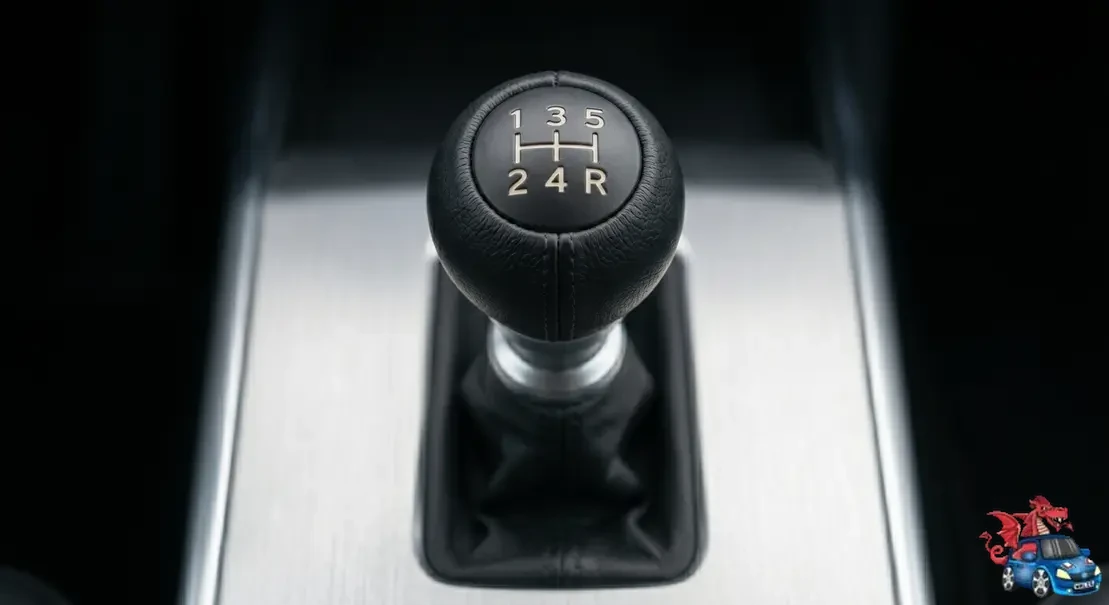
Learning in a manual car means mastering the clutch, finding the "bite point," and coordinating gear shifts with your speed.
Pros:
- Ultimate flexibility: You get a full license. You can hop into any rental car, borrow a friend's car, or drive a company van without checking the transmission first.
- Cheaper to run and buy: First cars are usually cheaper to buy in a manual transmission, and insurance premiums are often slightly lower.
- More control: Manuals offer better control in adverse weather conditions like snow or ice, as you can engine-brake and select specific gears for traction.
Cons:
- Takes longer to learn: A significant chunk of your early lessons will be spent just learning how to operate the machine and avoid stalling, rather than focusing purely on the road.
- Mental fatigue: In heavy stop-and-go traffic, constantly working the clutch and changing gears is physically and mentally tiring.
Learning Automatic
In an automatic, the car handles the gears for you. Your left foot does nothing, and your hands stay on the steering wheel.
Pros:
- Faster path to passing: Without the cognitive load of gears and a clutch, you can focus entirely on road positioning, hazards, and mirrors. Many learners require fewer total hours to pass.
- Zero stalling anxiety: You cannot stall an automatic car at traffic lights, on roundabouts, or during hill starts. This removes a massive source of test anxiety.
- Future-proof: All electric vehicles (EVs) and most modern hybrids are automatic. The UK is banning the sale of new petrol and diesel cars by 2035, so the market is already shifting entirely toward automatics.
Cons:
- The restricted license: If you ever need or want to drive a manual, you must apply for a provisional license and take a separate practical driving test in a manual car.
- Higher costs upfront: Automatic driving lessons often cost a few pounds more per hour, and the pool of available automatic instructors is smaller.
- Rental limitations abroad: While automatics are standard in the US, if you travel to parts of Europe or South America, manual rental cars are the default and automatics are heavily upcharged.
```
Book your course